
 4.8 ★★★★★ 3,000+ Google Reviews
When you are injured in an accident, it’s crucial to seek immediate medical care. Call 911 to receive emergency care at the scene, especially if you are in severe pain, have visible injuries, or are experiencing trouble breathing. You should also seek an immediate medical evaluation after leaving the scene, even if you feel “fine.”
Immediate medical care ensures your injuries are identified and treated, preventing them from worsening. Additionally, it helps you link your injuries to the accident. Seeing a doctor days or weeks after the accident can result in the at-fault party’s insurance company arguing that your injuries were caused by other factors or are not as severe as you claim.
Thus, it’s crucial to seek immediate medical attention. Understandably, most injured victims worry about medical bills. You are initially responsible for your medical expenses. However, you can cover them out of pocket or use your auto or health insurance, such as MedPay, private health insurance, Medicare, or Medicaid.
But what if you can’t cover medical bills out of pocket or lack health insurance? How can you access immediate medical care after an accident?
The answer is through medical liens.
Some healthcare providers agree to treat injured victims without upfront payment. The hospital then places a legally binding claim against the injured victim’s future settlement or court judgment.
This is the business of medical liens. It ensures injured victims receive the care they need without delay.
START YOUR FREE CONSULTATION
NO FEES UNLESS WE WIN!
What Is a Medical Lien?
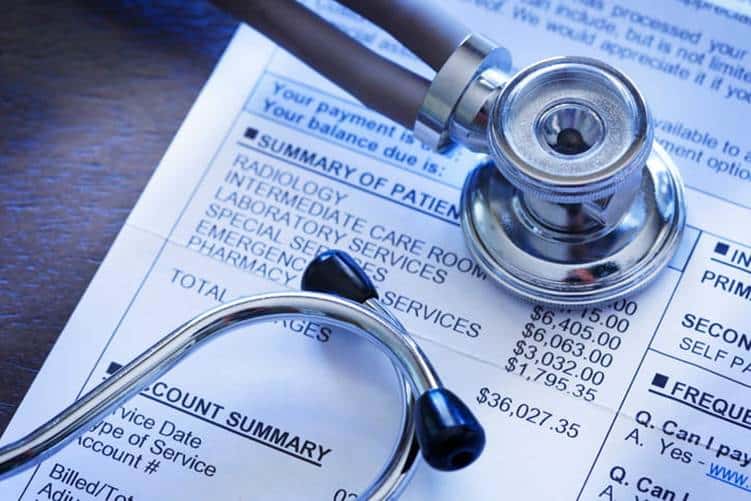
A medical lien, also known as a letter of protection (LOP), is a legal claim by a healthcare provider on a personal injury settlement or court verdict. It’s a receive treatment now and pay later concept.
It allows an injured victim to receive medical care without upfront costs and guarantees that the healthcare provider will be paid directly from the injured victim’s recovery.
Under NRS 108.590, hospitals have the right to place a lien upon any sum awarded to an injured person by settlement or judgment if they treated them without upfront payment.
Liens are commonly used in personal injury claims. Whether you are injured in a car accident or suffer an injury in a slip-and-fall accident, medical providers may agree to wait for payment until your case is resolved.
Why Medical Liens Are Used After Accidents
Medical costs can be high after an accident, especially if someone suffers a severe injury. The need for emergency services, advanced diagnostic imaging, surgeries and other procedures, prescription drugs, hospital stays, specialized equipment, mental health services, and long-term rehabilitation can result in high treatment costs.
Not everyone has immediate funds or health insurance to pay these expenses. A medical lien ensures an injured victim does not delay treatment to raise funds or wait until their claim is settled.
Insurance companies typically issue a payout when a claim is resolved. They don’t pay medical bills as they are incurred. So, an injured party needs to find another option for covering immediate medical expenses.
Medical liens ensure one accesses medical care while a claim is ongoing. You don’t need to wait until your claim is resolved to be treated.
How the Medical Lien Process Works
- An accident occurs, and you sustain an injury, such as broken bones or a spinal cord injury.
- You seek an immediate medical evaluation from a health care provider after leaving the scene.
- You request to be treated on a medical lien basis, and your healthcare provider agrees. Your personal injury attorney drafts a medical lien agreement or revises one issued by the medical provider to ensure the terms are fair. Then, you, your lawyer, and the healthcare provider sign the agreement. You can sign as many liens as you need, with different healthcare providers, to receive necessary medical treatment.
- You receive medical care. Your medical providers document all your treatments and medical bills.
- Your claim has been ongoing while you were receiving treatment. Your lawyer negotiates on your behalf to ensure you receive the settlement you deserve.
- During the final stages of negotiations with the at-fault party’s insurance company, your attorney may also negotiate the medical liens. This can result in healthcare providers agreeing to reduce the amount they are owed.
- After negotiations with all involved parties end, the settlement is paid, and liens are paid from the settlement proceeds.
Call (702) 382-0000 For a Free Consultation
How Medical Liens Affect a Settlement
Medical liens are paid from settlement money. Thus, they reduce your net payout, as the healthcare providers who treated you receive payment directly from the settlement before you even receive your portion.
The final “take-home” compensation matters, as it’s the amount available to you to cover your living expenses, pay for ongoing medical care, and replace lost wages.
You may have a high “gross” settlement, but medical liens and other deductions can reduce it. This can lead to your remaining funds being lower than expected. That’s why negotiating with medical providers to reduce liens can be crucial. It can increase net recovery.
Can Medical Liens Be Negotiated?
In some cases, attorneys may negotiate medical liens or bills to help maximize a client’s final recovery. In addition to ensuring your medical lien agreement has favorable terms in the first place, your attorney can negotiate bills/liens later.
A healthcare provider may agree to reduce a lien depending on circumstances. For instance, if your settlement is insufficient to cover all your damages or if you demonstrate genuine financial hardship.
Your attorney may also negotiate using billing errors in your medical records, such as duplicated charges or charges for procedures not related to the injuries sustained.
Benefits and Risks of Medical Liens
Benefits
- No upfront treatment costs.
- No out-of-pocket expenses.
- Immediate access to medical care.
- Stronger legal evidence.
Risks
- Liens usually must be repaid, even if you lose a case.
- Medical bills can reduce settlement funds.
- The terms of an agreement, especially one issued by a medical provider, may be risky. You should first understand the agreement terms before signing.
How a Personal Injury Lawyer May Help
Your personal injury lawyer may help you in several ways. They can review a medical lien’s agreement to ensure its terms are fair and enforceable. Your attorney can also request and review your medical records and bills to confirm that charges are accurate, and treatments are accident related. Moreover, they can negotiate liens to help you receive maximum net recovery.
Your lawyer can also handle communication with insurance companies, so you can focus on recovery. Additionally, they can help manage the claim process by gathering evidence and working with other professionals to understand the extent of your damages and strengthen your case.
At Adam S. Kutner, Injury Attorneys, we are committed to helping injured victims protect their rights. Our firm can help facilitate medical care by connecting clients with providers who work on a medical lien basis. And when an insurance company’s offer is not fair for the injuries sustained, our firm is prepared to file a lawsuit to protect your rights.
Contact us to learn more about accident claims.
Call (702) 382-0000 For a Free Consultation
FAQ
Areas We Service in Las Vegas, Nevada
Henderson | Anthem | Summerlin | Paradise | Summerlin North | Summerlin South | Sunrise Manor | Nellis AFB | Desert Shores | Downtown South | Charleston | Richfield | Crestwood | Angel Park Ranch | Queensridge | Casa Grande Pines | Winchester |

Adam S. Kutner
PERSONAL INJURY LAWYER
With more than 35 years of experience fighting for victims of personal injury in the Las Vegas Valley, attorney Adam S. Kutner knows his way around the Nevada court system and how to get clients their settlement promptly and trouble-free.