



 4.7 ★★★★★ 2,735 Google Reviews

A car accident claim denial can cause significant frustration and stress. In addition to dealing with the injuries and psychological trauma from the crash, you may potentially face financial hardship resulting from medical bills, loss of income, and car repair or replacement costs.
But what can you do when the very system designed to help car accident victims recover damages does not give you the expected protection? A personal injury attorney can help you understand your options after a denial.
At Adam S. Kutner, Injury Attorneys, we are committed to helping injury victims during such a challenging time. We help victims handle different types of claims, including rear-end collision fault claims. This guide helps you understand claim denials, the steps to take, and when to seek legal assistance.
START YOUR FREE CONSULTATION
NO FEES UNLESS WE WIN!
What Is an Auto Insurance Claim Denial Letter?
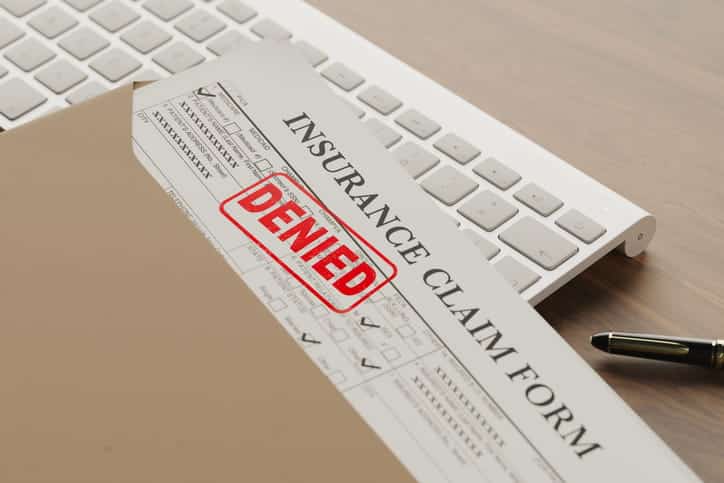
An auto insurance claim denial letter is a formal written explanation from an insurance company detailing why it will not cover a claimant’s accident costs. The company that received a claim usually sends it, which can be the other driver’s insurer or yours, if you are making a claim under your own policy.
If you receive a denial letter from your insurer, it will include:
- Your information (Name, address, and policy number).
- Claim information (The specific claim number and date of the accident).
- Reason for the denial.
- The specific sections in your policy that support the denial.
- Instructions on how to file an appeal.
- The company’s contact information.
It’s vital to read this letter carefully to understand the specific reasons for the denial and spot any errors, such as dates or misinterpretations of facts.
Don’t discard the letter, as it’s the starting point for any next steps. If you file an appeal, it will be used as a reference, outlining the grounds for your claim’s denial and giving you specific points to address in your argument. The letter will also serve as crucial evidence for car accident settlement negotiation or litigation.
Common Reasons an Insurance Company Denies Claims
Below are five common reasons auto insurance companies deny claims.
Contributory or Comparative Negligence
In Nevada, a policyholder must be 50% or less at fault for an accident to recover economic and non-economic damages. When you file a claim, your insurance company will investigate the case to determine fault.
If they establish that your actions contributed to the accident at a percentage of 51% or more, they may deny your claim. Disputed liability is one of the reasons behind many denied car accident insurance claims.
Insufficient or Missing Evidence
Lacking or not having enough evidence can be why your insurance company denied your claim. When submitting a claim, you are to provide evidence that proves who was at fault and the losses you incurred. These include photos and videos of the accident scene, witness statements, police reports, medical records, and car repair estimates or invoices.
Everyday Auto Accident Experts In Las Vegas
Car crashes happen every day in Las Vegas. Whether it is a rear-end collision on the Strip, an intersection accident, or a rental car crash, we understand the patterns, injuries, and how insurance companies handle these claims. Our team works quickly to manage paperwork, communicate with insurers, and keep your case moving, so you can focus on healing. Locals and visitors trust us because we make everyday auto injuries a priority.
Lapse in Coverage or Policy Exclusions
If you do not have an active insurance policy when you file a car accident claim, your insurer can deny it. This can happen when you fail to make payments, allow a policy to expire without renewing it, or fail to obtain new coverage after cancellation.
Policy exclusions can also be the reason for a denied car insurance claim. If your specific situation is not covered in your policy, despite it being related to an auto accident, you might receive a denial letter. Most policies don’t cover accidents involving risky behaviors, intentional acts, illegal activity, and commercial use of a vehicle.
Pre-Existing Injuries or Delayed Medical Treatment
If the insurance adjuster determines you had pre-existing injuries like a back or neck problem, they may argue that the accident did not cause any related injury sustained in the accident.
Furthermore, if you delay receiving medical treatment, the insurer may claim that other factors might have caused your injuries. Receiving immediate medical attention allows you to link your injuries to the accident. A doctor should examine you for the common car accident injuries immediately after a crash.
Bad Faith Practices
An auto insurance claim denial constitutes bad faith if the insurer misleads a claimant, unreasonably delays the car accident claim process, tries to underpay a valid claim, or unreasonably denies a claim. You can take legal action against an insurer that employs bad faith practices in your case.
Call (702) 382-0000 For a Free Consultation
Your Steps After a Denied Car Accident Claim
Here is what to do if your insurance claim is denied:
Step 1: Review the Denial Letter and Your Insurance Policy
It’s important to review the claim denial letter. Identify the specific reason(s) for the denial, and if you have questions, contact your insurer to obtain more information.
You should also review the sections of your policy that the insurer has used to justify the denial, as indicated in the letter. Carefully read the relevant terms and conditions of your coverage. You should compare the actual wording in your policy to the reason provided for the denial. Look for any fact that might have been misinterpreted or any element in your case that the insurer might have misunderstood.
Step 2: Gather Additional Evidence To Strengthen Your Claim
You should then gather additional evidence to build a strong case.
This includes:
- New or updated medical bills and medical records that detail injuries and treatment.
- Photos of the accident scene, vehicle damage, and injuries.
- Witness statements — re-interview witnesses, if possible.
- Detailed police reports and accident reports.
- Expert opinions, for instance, from an accident reconstruction specialist.
Collect any piece of evidence that helps you address the specific points that led to the denial of your claim.
Step 3: Contact Adam S. Kutner, Injury Attorneys, for a Free Case Evaluation
Legal assistance is essential when your claim is denied. An experienced attorney can help you understand your legal options and guide you on the evidence to gather to strengthen your case. Contact our firm for a free case evaluation. Our legal team will help protect your rights.
Step 4: Initiate the Appeals Process
The next step is often an internal appeal. Follow the instructions provided in the letter to file an appeal with the insurance company. You will typically be required to draft an appeal letter. Your letter should include your information, the claim details, and the purpose of the letter.
You should then clearly explain why you disagree with the company’s decisions by pinpointing the reasons they gave and why you are refuting those reasons. Ensure you attach supporting evidence when sending your letter.
Pay close attention to the deadlines for submitting an appeal. You should meet the deadline to protect your right to file an appeal.
Step 5: Consider Alternative Dispute Resolution
If the insurer fails to change the decision after an internal appeal, you can file a formal complaint with the Nevada Division of Insurance (DOI). The department will investigate the case to ensure the insurer followed state laws and processes.
You can also consider alternative dispute resolution, such as mediation or arbitration. With mediation, a neutral, third-party mediator will facilitate communication between you and the insurer, helping you reach a mutually agreeable settlement. Arbitration involves an arbitrator, who acts as a judge and hears evidence from both sides before issuing a binding decision that both parties must accept.
How a Lawyer Can Help You Fight a Denied Claim
Working with a car accident lawyer after claim denial, from the moment you receive the denial letter, is crucial. Your attorney will help you fight the denied car insurance claim. They will do this in various ways, including:
Expert Claim Analysis
Your lawyer will analyze your insurance policy in-depth to understand the terms and conditions, and compare it with Nevada auto insurance requirements. This helps them determine whether the denial is justified and to identify discrepancies. Your lawyer will also assess how the insurer is handling your case to establish if there are any bad faith practices.
Handle All Communication With the Insurance Company
Personal injury lawyers are experienced in communicating with insurance companies. When you work with our legal team, we will make sure your case is presented clearly and professionally. We will handle all communication with the insurance adjuster, relieving you from the stress of the potential back-and-forth.
Build a Stronger Case
Adam S. Kutner, Injury Attorneys, helps clients gather solid evidence. Our experienced car accident attorneys will guide you and work with experts to collect evidence that helps us build a strong case.
For instance, we work with an accident reconstructionist to gather more information about how the accident occurred. We also guide clients on the steps to take after a car accident to protect their case from the beginning.
Navigate the Appeals Process
Our firm will manage the entire auto insurance claim appeal process. We will draft the appeal letter, organize documents, and send the appeal letter, along with supporting documentation, while meeting strict deadlines.
Take Legal Action for a Denied Claim
If your insurance company or the at-fault driver’s insurer acts in bad faith, you can file a lawsuit against it. Our lawyers will help you take your case to court to recover full compensation for medical expenses and other damages.
Final Legal Options and Potential Outcomes
If an insurance company upholds a claim denial after an appeal, you can file a lawsuit against the at-fault driver to recover damages. The court can rule that the at-fault driver was liable and should compensate you, or it might dismiss the case if there isn’t sufficient evidence to prove the other driver’s negligence.
If the insurance company handling the case acts in bad faith, you can also sue them. This will be an additional legal action aimed at holding the insurer accountable for acting unreasonably or unfairly. You can recover the original policy benefits and additional financial losses caused by the insurer’s actions.
Additionally, you can file a complaint with the state’s insurance department, the DOI. While this option may not directly guarantee compensation, the department’s involvement can lead to a reconsideration of the claim.
Working with an experienced lawyer throughout the process is the best way to receive maximum compensation.
Conclusion: Don’t Let a Denied Claim Defeat You
Being injured in a car accident is devastating, and your claim being denied can intensify the stress. Nonetheless, a denied claim is not the end of the road. You can appeal the decision or fight for your rights in court.
Call (702) 382-0000 For a Free Consultation
FAQ
Call (702) 382-0000 For a Free Consultation
Areas We Service in Las Vegas, Nevada
Henderson | Anthem | Summerlin | Paradise | Summerlin North | Summerlin South | Sunrise Manor | Nellis AFB | Desert Shores | Downtown South | Charleston | Richfield | Crestwood | Angel Park Ranch | Queensridge | Casa Grande Pines | Winchester |

Adam S. Kutner
PERSONAL INJURY LAWYER
With more than 35 years of experience fighting for victims of personal injury in the Las Vegas Valley, attorney Adam S. Kutner knows his way around the Nevada court system and how to get clients their settlement promptly and trouble-free.